



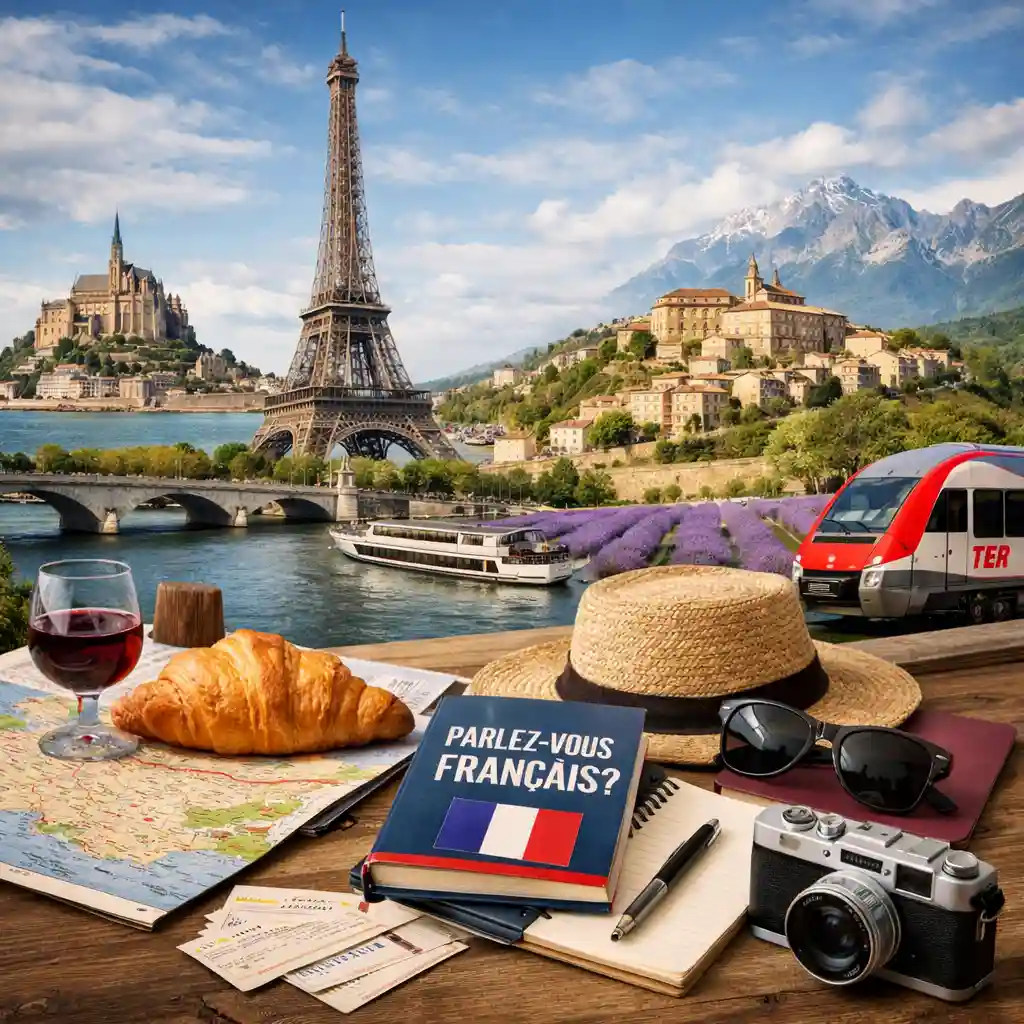
France is one of those places people build up in their head long before they go. I did too. You hear about the cafés, the old streets, the bread, the museums, the stylish people who somehow look put together even when they are probably only going to buy milk. So yes, I had that image. Then I actually spent time there and the thing that stayed with me most was not only the famous stuff. It was the everyday feel of it.
A morning bakery run. A station platform with people half rushing, half pretending they are not rushing. A street that looks plain at first, then suddenly turns into something lovely when the light hits it right. France has big attractions, sure but the country feels best when you notice the small things too. That is what makes a trip feel real instead of staged.
If someone asked me for a France travel guide with simple tips for travelers, I would not throw twenty complicated hacks at them. I would say keep it easy. Plan enough so the trip goes smoothly. Leave enough space so the trip still feels alive.
France is better when you stop trying to win at travel
Some people travel like they are in a race. Breakfast, museum, tower, photo, train, hotel, dinner, next city. On paper it looks efficient. In real life it can make a beautiful country feel weirdly tiring. France is not a place I would rush through like that. It has a slower kind of charm. It asks for a little breathing room.
Sit longer over coffee. Walk down a side street because it looks interesting. Buy something from a bakery even if you were not planning to eat yet. Tiny choices but they change the whole mood of the trip. Honestly, some of my favorite travel memories are not from the major landmarks at all. They are from random corners and slow afternoons.
That is probably the first simple tip I would give. Try not to turn France into homework.
You may also Like:
Best time to visit France without making it complicated
Spring is a lovely time. Things feel fresh, the weather is usually comfortable, and walking around does not feel like a battle. Parks look better. Streets feel softer somehow. It is a nice season for first-time travelers because you get good energy without the full summer rush.
Summer is lively, loud, busy and full of movement. Long evenings are great. Coastal places look amazing. Outdoor dining feels fun. But summer also brings crowds, higher prices, fuller trains and more waiting around. Some people love that busy travel season. Some get fed up with it pretty quickly.
Autumn has a calmer feel. Less pressure. Less crowding. Often still good weather. I think this is one of the best times to go if you want a balanced trip. Cities still feel alive, but not packed to the point where everything becomes a queue.
Winter can work too, especially if you like festive lights, quieter streets, and a more low key pace. It is not beach weather obviously, but cities can feel beautiful in a colder mood. Paris in winter has its own thing going on. A bit grey, a bit romantic, a bit dramatic. Not bad at all.
Paris matters, but France is much bigger than Paris
This part gets ignored way too often. Paris is huge in the imagination of most travelers and fair enough, it has earned that reputation. There is history everywhere, famous monuments, neighborhoods with real character, museums that can take half a day without trying and plenty of spots that feel iconic for good reason.
But if a person goes to France and only thinks about Paris, they are missing a lot.
Nice feels brighter, lighter, more coastal and relaxed. Lyon has serious food appeal and feels different in a good way, less theatrical maybe, more grounded. Strasbourg has those pretty half-timbered corners that almost look made up. Provence gives you slower days, warm light, market life, little villages, and the sort of scenery people put on postcards because it works.
Even small towns can surprise you. Sometimes especially the small towns. A few hours somewhere quiet can reset the whole trip after a busy city.
So yes, Paris is worth it. Absolutely. But France starts opening up properly when you add another place or two.
Keep your route simple or the trip gets messy fast
France has good trains, which helps a lot. In many cases train travel is the easiest option. You go city center to city center, which already makes life easier than airport routines. High-speed routes save time too. That part is good.
Still, easy transport creates a trap. People think, great, I can fit six places into one week. Technically maybe. In reality, it starts feeling like a suitcase workout with background scenery.
A better plan is usually fewer stops and a little more time in each one. Two or three bases can be enough for a solid trip. More than that and the days start slipping away into check-ins, station walks, packing, unpacking, figuring out platforms, wondering which exit you need then doing it all again.
France is not hard to move around in. It is more that overplanning steals the nice parts.
Walking matters more than people think
You will walk a lot. More than expected sometimes. That sounds basic, but many travelers still pack for photos instead of movement and regret it later. French cities look lovely on foot and often the nicest parts are found between the famous places, not only at them.
Comfortable shoes matter. Not glamorous advice, I know. Still true. Old streets, uneven pavements, stairs in stations, long museum floors, little uphill sections in older districts, all of it adds up.
I have seen people looking elegant and miserable at the same time. Better to avoid that.
You may also Like:
Food is not a side note in France
Food in France is not something you squeeze in quickly so you can move on to the next attraction. It is part of the trip itself. Sometimes it becomes the main memory of the day.
Bread alone can make a person forgive a lot. Then come pastries, cheese, crepes, seafood in coastal areas, richer regional dishes, local desserts, market snacks, long lunches, tiny cafés. Even something simple can end up being strangely memorable.
One thing travelers should know, meal times can matter. In some places, especially outside the biggest tourist zones, food service does not run all day in the way some visitors expect. So if you turn up at an odd hour feeling hungry and confident, you might have to adjust quickly.
Also, some of the best food comes from places that do not look impressive from the outside. That happened to me more than once. A plain little bakery, a modest café, a side street place with no dramatic branding, and somehow the meal sticks in your head longer than the expensive restaurant you carefully planned.
A little French goes a long way
Nobody is asking travelers to become fluent before arrival. That would be unrealistic. Still, learning a few basic words helps. Hello. Please. Thank you. Excuse me. Maybe a simple question or two.
It is less about perfection and more about tone. Starting politely changes the interaction. People notice effort. Even clumsy effort. And that effort often works better than acting overly confident in English and hoping everything will line up.
This is one of those very small things that can quietly improve the whole trip.
France can be expensive, but not every part has to hurt your wallet
Yes, France can get pricey. Paris especially knows how to test a budget. Coastal areas in peak season can do the same. But the trip does not have to feel financially painful from start to finish.
Book earlier when possible. Leave major reservations too late and prices start climbing. Stay a little outside the most famous central spots if public transport is nearby. Mix your meals. One proper sit-down meal, then something simple from a bakery or local shop later. That keeps costs steadier without making the trip feel cheap.
You also do not need to pay for every attraction that has a line outside. Pick the places that actually interest you. That sounds obvious, but people still fall into the trap of entering places out of guilt rather than curiosity. Better to enjoy fewer places properly.
Common mistakes travelers make in France
One big mistake is expecting every moment to feel cinematic. Real travel has dull bits too. Delays. Tired legs. Confusing stations. Average coffee once in a while. Streets that are normal looking before the pretty one appears. None of that means the trip is going badly. It means you are in a real country, not inside an advertisement.
Another mistake is trying to see too much. France looks manageable on a map, then suddenly whole days disappear into movement. Less can genuinely be more here.
Some people stay only around the most touristy areas for everything, food, shopping, hotels, all of it. It is convenient, yes but often pricier and less interesting. Walk a little further when you can. The atmosphere often improves quickly.
And one more thing, check opening days. This saves unnecessary disappointment. Some places close on certain days or at times that may catch travelers off guard.
The best parts are often the unscripted bits
This is maybe my favorite thing about France. The pieces people remember most are often not the headline moments. It is the smell of butter from a bakery in the morning. A quiet square. A market stall. A view from a train window. A little café where you stayed longer than planned because it felt nice there. A side street with laundry hanging and nobody trying to impress anyone.
That is the version of France I like most. Not only the polished famous image. The lived in one. The ordinary beautiful one.
So plan the trip, yes. Be smart about routes, trains, timing, shoes, meals, all of that. But leave a little room for wandering as well. France rewards that kind of traveler.