



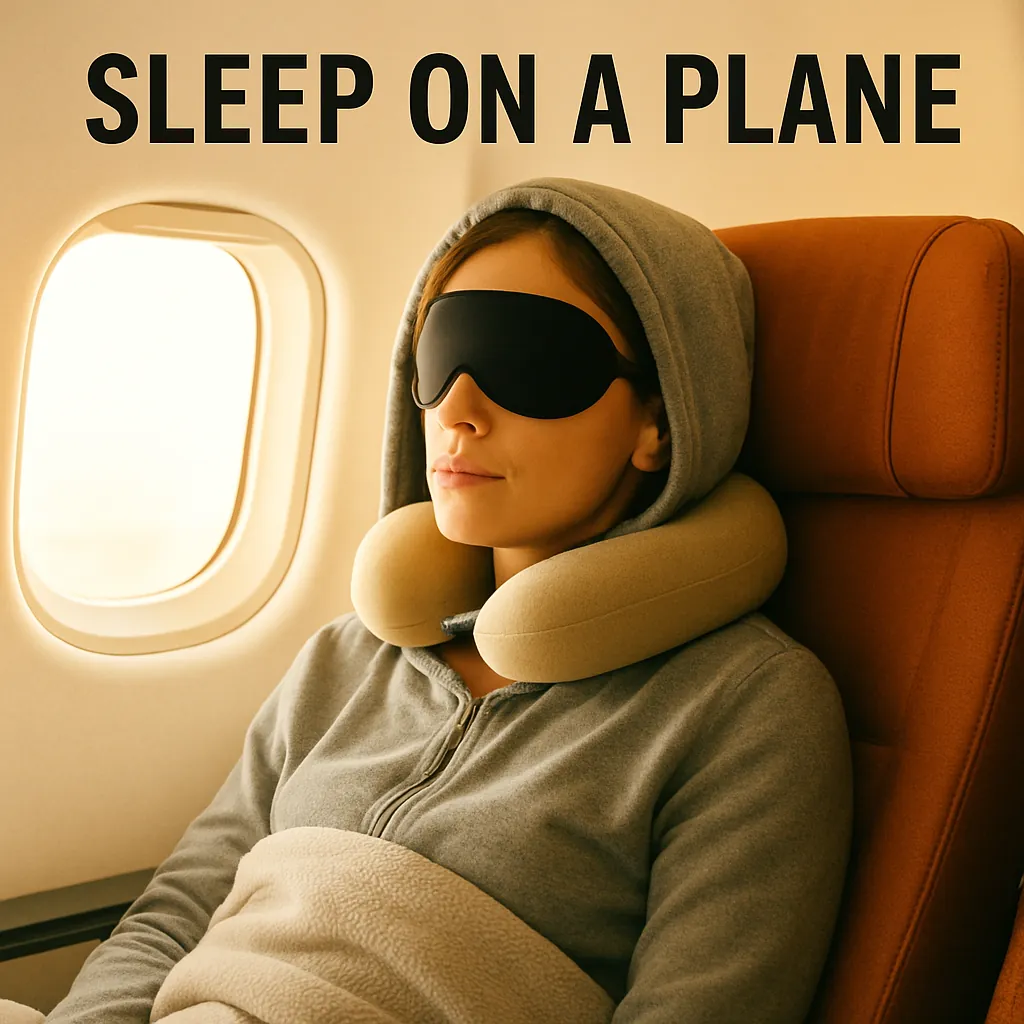
I used to stare at that tiny seat and think sleep was a myth at 36,000 feet. Then one red-eye from Barcelona to Dubai changed my mind. I had a neck pillow that looked silly, a hoodie that felt like a cocoon, and a window seat with just enough wall to lean on. I closed my eyes after takeoff and woke up to breakfast trays. Not perfect sleep. Good enough sleep. Since that flight I keep a small routine that makes plane sleep feel normal. Here is what works for me and for a lot of travelers I have watched over the years.
Pick the right seat before anything else
Seat choice matters more than any pillow. Window beats aisle for sleep because head support is easier and you avoid elbows and carts. The section near the wing feels steadier because turbulence is softer there. Front half is quieter on many planes. If budget allows, extra-legroom rows help knees and hips. Avoid the last row if the seat recline feels limited. Check the seat map and user photos while booking. Ten minutes there saves hours of discomfort later.
Build a small sleep kit
You do not need a suitcase of gadgets. A few light items win every time.
Neck pillow that holds your chin. Memory foam feels nice but compressible inflatables save space.
Eye mask that blocks side light. Wider straps help.
Soft foam earplugs or simple in-ear buds with white noise.
Cozy socks. Warm feet help the body relax.
A thin hoodie or scarf. Cabin air gets cold without warning.
Reusable water bottle. Hydration helps you fall asleep and wake up clear.
I toss these into a small pouch. It slides into the seat pocket and stays reachable. No hunting in the dark.
Eat light and time your caffeine
Heavy meals push the body into digestion mode. That makes rest harder. Aim for a simple meal with protein and easy carbs. Rice with chicken. A sandwich. Nothing greasy. Save caffeine for the airport morning if you have a daytime flight. For a night flight I cut caffeine six to eight hours before boarding. Herbal tea works as a calm signal. Water sip by sip keeps you balanced.
Create a wind down ritual, even if it is tiny
Airports are bright and busy. Your brain needs a short step-down.
My routine looks like this:
Ten slow breaths while seated at the gate.
Phone to airplane mode when the boarding group starts.
A quick note in my phone about tomorrow tasks so my mind lets go.
Eye mask and hoodie on after takeoff.
White noise or soft rain track for one hour.
The point is not perfect meditation. The point is a finish line your body recognizes.
Dress for a range of cabin temps
Cabins swing from chilly to warm. Layers solve that. A breathable t-shirt under a hoodie covers most flights. Stretchy pants help knees and hips. Tight jeans fight circulation. Slip-on shoes save time at security and let you relax ankles in the seat. Compression socks are a smart extra for long routes or if legs swell easily.
Set your seat up like a mini bed
Tiny space still works with a few moves.
Loosen the belt and wear it over your hoodie. Crew can check it without waking you.
Put the pillow slightly to the side so your head rests forward and sideways. This reduces neck strain.
Support the lower back with a rolled hoodie if the seat feels hollow.
Keep one small item at your feet to rest arches. A soft tote or blanket helps.
Tilt the seat back once the meal ends. The earlier you recline, the longer your sleep window.
If you sit by the window, rest your temple on the pillow and the pillow on the wall. That triangle feels secure.
You may also like:
Things to do on a Long Flight
First Time Flying Tips
Use sound like a shield
Cabins have a constant hum. Add babies, carts, and call buttons. White noise covers that mess. Many music apps have simple ocean or rain loops. Pink noise also feels gentle. Keep volume low. The goal is a blanket of sound, not a concert. If you prefer silence, foam earplugs with a high NRR rating do wonders.
Manage light the easy way
Light is the main sleep enemy. Eye mask on early. Close the shade if you sit by the window and the crew allows it. Turn screens to the lowest level and use night mode. If you like a book, switch to warm tone and big font. Paper book works even better.
Trick your body clock on long routes
For long-haul, check the destination time the day before. Sleep earlier by one hour and wake earlier by one hour if your route heads east. Reverse for west. On board, set your watch to destination time and align meals and naps to that clock. Short naps beat one giant sleep block because announcements and service breaks can cut through any deep phase.
Hydration and skin care that make you feel human
Cabin air is dry. Sip water through the whole flight. Aim for a cup every hour or so. A simple lip balm and light face cream prevent the desert face feeling. Keep hand sanitizer and a small pack of wipes in your kit so your space feels clean. A quick wipe over the tray and armrests increases peace of mind and helps you relax.
Gentle movement to avoid the stiff zombie walk
Every few hours stand for a minute. Roll shoulders. Circle ankles. Stretch calves against the floor. Seated, try this: lift one knee and hold for five seconds, switch sides, repeat three times. This wakes up hips and improves blood flow. Small moves, big payoff.
If anxiety spikes, use simple grounding
Air travel can trigger nerves. A few tricks help calm the loop.
Box breathing: in for four, hold for four, out for four, hold for four. Repeat ten rounds.
Name five things you can sense: hum of engines, seat fabric, cool air on cheeks, faint coffee smell, soft mask on eyelids.
Remind yourself that bumps feel dramatic, yet planes handle them with wide safety margins.
I carry a tiny photo in my wallet. One look helps me reset when mind chatter starts.
Entertainment that supports sleep rather than fights it
Choose content that eases the brain. Slow travel shows. Nature films. Light podcasts with friendly voices. Avoid intense action or work emails close to sleep time. A short journal line like “today was hectic yet I am safe and resting now” sounds cheesy on paper. It works though.
The upgrade question
Premium cabins add legroom and wider recline. They help a lot. Yet many people sleep fine in economy with a good setup. Spend on seat selection first. Consider premium on flights over eight hours or routes that land early morning before a big day. Value sleep by hour and by how much it improves the day after.
What my last great plane sleep looked like
Madrid to New York. Afternoon departure. Window near the wing. I ate a light bowl of rice and veggies, then water with lemon. Hoodie on. Belt outside. Pink noise at low volume. Eye mask down. I woke during a mild bump, took a breath, rolled my head to the side, and fell back. Landed with a clear head and a weird craving for pancakes. Not luxurious. Enough to feel human.
Comments