



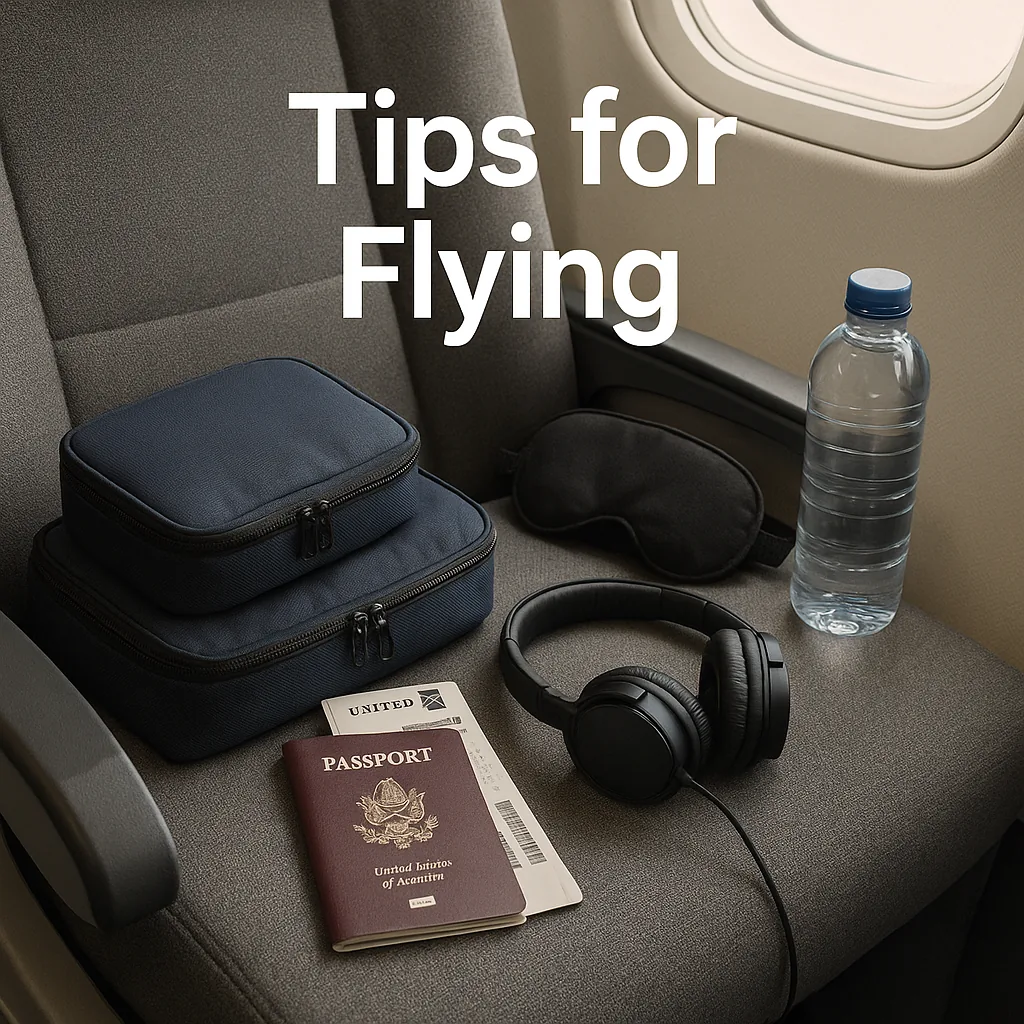
I still remember a dawn hop from Barcelona to Lisbon. Sleepy station coffee, a cab that took the scenic route, a sprint through security, and then calm as the cabin lights dimmed. That tiny trip taught me more about stress-free flying than a stack of travel forums. Here is a friendly bundle of tips that actually help in real life. No fancy jargon. No perfect routine. Just stuff that works when a gate change pops up or a snack box costs more than your first phone.
Pack like the airport owes you nothing
Airports test patience. Bags test shoulders. Keep your load simple. One carry-on that rolls smooth and one soft personal item that tucks under the seat. Hard cases look cool, soft bags slide into tight bins with less drama.
Inside the carry-on, use two packing cubes. One for clothes. One for everything that touches skin after the flight: toothbrush, mini deodorant, face wipes and lip balm. Add a thin T shirt and socks. If a bag gets delayed, a quick rinse and that small kit can save the day.
Keep chargers together in a clear pouch. Toss in a short power strip with two or three outlets. Airports hide sockets like a treasure hunt. One wall plug plus a splitter feeds phone, watch and laptop without begging strangers for space.
Choose seats with a purpose
Window for sleep and views. Aisle for legs and fast exits. Middle only if the price is kind or the group wants one row together. If you can, scan the seat map again 24 hours before departure. People change plans and empty seats appear.
Avoid the last row near the galley on short flights. Lights and chatter live there. Front of the wing stays a bit quieter. Over the wing rides feel steady in bumpy air. Exit rows have space but armrests often fix in place. That can pinch hips.
You may also like:
How to Sleep on a Plane
Things to do on a Long Flight
Work the small timeline
Three milestones matter: security, boarding start, door close. Set gentle reminders on your phone so time cannot run away. At security, shoes easy to slip off, pockets clear, laptop and liquids ready. That tiny prep turns a queue into a glide.
At the gate, stand up when your group shows on the screen. Not earlier. Not five minutes later. Simple posture trick: shoulder bag on, boarding pass already open, water bottle topped. You look ready, you feel ready.
Dress for a moving climate
Cabin air runs from chilly to desert dry. Wear layers that stack. T-shirt, light sweater or hoodie and a thin jacket works for most routes. Socks matter. Cold feet ruin naps. A light scarf doubles as a shade over your eyes and a tiny pillow cover.
Shoes that slip on and off keep security smooth. High boots slow everything. Sneakers win nine times out of ten.
Build a sleep kit that fits in one pocket
Sleep changes a whole trip. A soft eye mask, silicone earplugs, and a tiny neck pillow that inflates fast form the holy trio. Music helps if you like white noise or nature sounds. A playlist that loops for one hour can trick the brain into drifting. Turn on airplane mode, set volume low, and lean into the window side for support.
Hydrate early. Two small cups of water before takeoff and sips during the flight. Not huge gulps right before landing. That is how you start a bathroom sprint when the seatbelt sign goes on.
Eat light and smart
Heavy meals plus cabin pressure equals grumpy stomach. Aim for simple food. A banana, nuts, a small sandwich with no sauce flood. Carry a protein bar in case the aisle trolley skips your row. Gum helps with ear pressure on descent. Ginger candies tame motion waves.
Coffee can help focus at the gate. On the plane, switch to water or herbal tea. That swap turns into better sleep and less dry mouth. Soda gives fizz and a sugar crash. If the day runs long, save caffeine for when wheels touch down.
You may also like:
Things to do on a Long Flight
Entertainment without the flop
Download podcasts, a movie, and one offline playlist before you leave home. Streaming at the gate often fails when everyone hits the same free Wi-Fi. A Kindle app with one upbeat book and one short story set makes the time pass fast.
If you plan to work, sync files locally. Airplane Wi-Fi costs more than it delivers on many routes. Write drafts, clear photos, plan the next city. Offline time can be productive if the tools do not chase a signal.
Move a little, feel a lot better
Long sits make ankles puffy and backs stiff. Every hour, flex feet, rotate ankles, and press knees up while seated. When the aisle clears, stand near the galley and stretch calves. Nothing dramatic. Just small resets. Hydration plus small movement keeps the body sane.
Handle delays with a calm script
Delays happen. A simple script helps: check the airline app, look for alternate flights on the same day, and approach the desk with options ready. Polite energy plus a real solution gives staff a reason to help fast. A seat on a partner airline can save a connection. Ask for meal or hotel vouchers if the delay crosses a big threshold. Rules vary, so read the app notices.
Keep receipts for snacks or transport during disruptions. Claims after the trip move faster when proof is tidy.
Protect the trip with backups
Screenshots save trips. Take one of the booking confirmation, the QR code, and the baggage receipt tag. If a system drops the record, that image proves the details.
Two payment cards live in separate spots. Phone wallet in hand, spare physical card deep in the bag. A tiny cash stash helps with luggage trolleys and old taxi meters that resist cards.
Be kind to future-you
Before landing, clean your space. Wipe the small table, wrap cables, and seal the snack pouch. Fill the bottle after security on the next leg. Restroom visit before descent avoids the mad rush.
When you walk off, resist the sprint. Slow your pace for ten steps. Breathe. Check pocket count: phone, passport, wallet, boarding pass if you have a connection. That pause limits the classic “left my jacket on 18A” moment.
My short story from seat 14F
On a gray Tuesday, I sat in 14F flying north. A kid in the aisle seat wanted the window for clouds. We swapped. That change gave me a wall to lean on and a view that looked like cotton hills. I slept for forty minutes. Woke up smiling. A tiny trade can turn a cramped ride into a gentle one. That is the theme here. Small moves. Big payoff.
Quick checklist before the taxi shows up
ID and passport in a zip pocket
Phone at 80% plus a small power bank
Boarding pass saved offline
Headphones, eye mask, earplugs
Water bottle empty for security, refill later
Light snacks that do not crumble everywhere
One spare T-shirt and socks in the carry-on
Chargers and a short power strip
Pin this list near the door. Future-you sends thanks.
You may also like:
First Time Flying Tips
FAQs:
What is the best time to book a flight?
How early should I reach the airport?
Carry on or checked bag for a week long trip?
Any trick for ear pressure during landing?
Sip water, chew gum and yawn gently. For sensitive ears, pressure reducing earplugs help. Start using them before descent, not halfway down.
How to pick seats for couples or friends?
Is travel insurance worth it?
What about food allergies on board?
How to beat jet lag on east-west routes?
Any seat hack for tall travelers?
What should go in the personal item?
Conclusion
Flying does not need to feel like a boss level. A few tiny habits set a smooth tone: light bags, smart seats, water over soda, and a calm script for delays. Mix those with a friendly smile at the gate and a tidy seat when you leave. Trips start better. Landings feel kinder. And maybe, like that Tuesday in 14F, the clouds throw a little magic your way.
Comments